CREW files amicus briefs in support of state law enforcement ID requirement and ban on masks
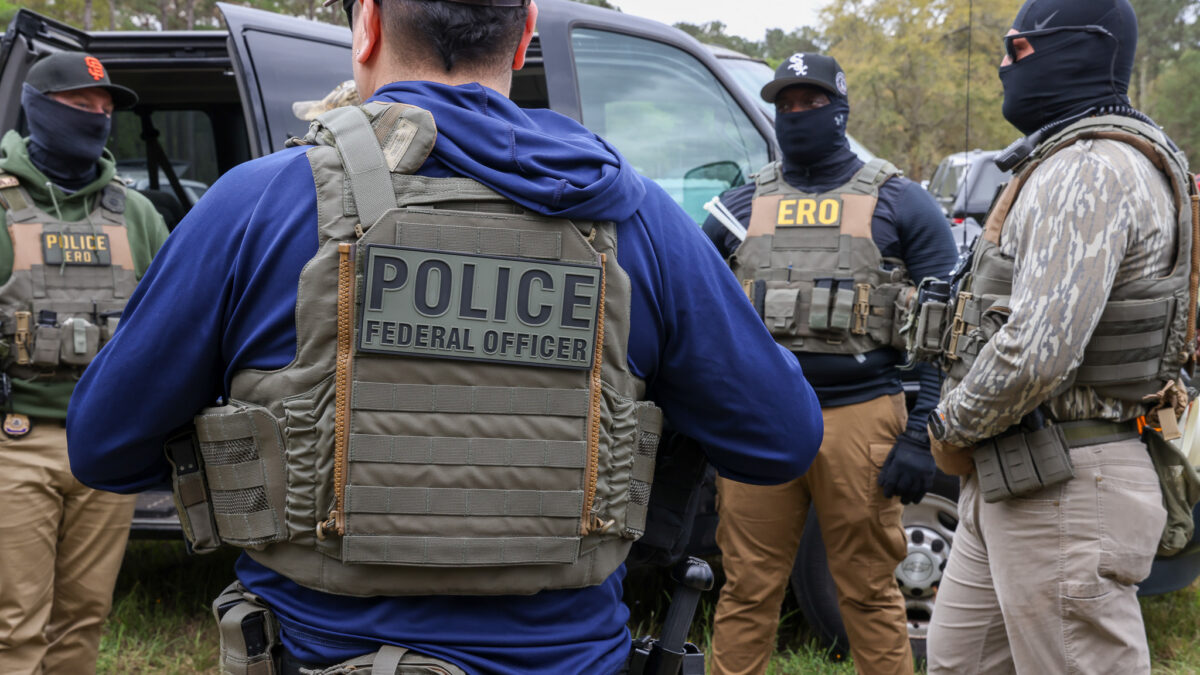
Courts should rule against the federal government’s attempts to stop California, Connecticut, New Jersey, New York and Virginia from attempting to require law enforcement officers to display identification, and ban them from wearing masks, CREW argues in new amicus briefs.
There is currently no federal statute, regulation or agency policy that requires federal law enforcement officers to wear masks or to conceal identification while performing their normal duties. Former and current law enforcement officials across administrations have openly recognized that routine mask wearing and lack of identification can be harmful. Faceless and nameless officers not only pose a serious public safety risk but also increase the danger of law enforcement work, since the public cannot distinguish them from imposters.
There is a strong public interest in prohibiting law enforcement officers, including ICE agents, from routinely wearing masks and requiring them to display identification. Such measures increase the public’s trust and confidence in those officers, decrease the likelihood of misconduct and abuse by officers and make it easier to hold them accountable in the event of misconduct. These provisions additionally prevent the chilling effect that masked, anonymous law enforcement agents can have on First Amendment rights.
The federal government’s support for masking of law enforcement agents stands in stark contrast to President Trump’s vigorous opposition to masking by protesters. After federal immigration raids sparked protests in Los Angeles and the deployment of the National Guard, President Trump posted on Truth Social that masks would not be allowed at protests and called to arrest people in face masks. If prohibiting mask-wearing by protesters is needed to deter potential violations of the law and to identify those who break the law, the same logic applies to mask-wearing by ICE and other federal law enforcement agents, who are armed and have exercised deadly force on multiple occasions, such as the shootings of Renee Good and Alex Pretti in Minneapolis.
Historically, federal, state and local law enforcement officers around the country have not routinely worn masks or concealed their identities and instead, have generally been obligated to wear badges identifying themselves. These facts undermine the federal government’s speculation that the wearing of masks and concealment of identities by ICE agents is necessary to prevent “doxxing” and ensure the success of federal law enforcement operations. For these reasons, the courts in these cases should reject the government’s opposition to bills banning law enforcement officers from wearing facial coverings and requiring them to display identification.